Chronic Kidney Disease
"}]},{"component":"hc_column
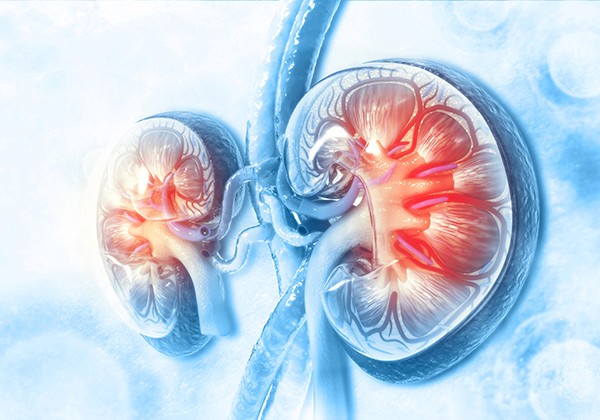
Kidneys are multi-tasking, complex, vital organs. Their main function is to filter waste out of your blood. They also remove extra fluid from your blood â which becomes urine, and they control blood pressure. Kidneys help make red blood cells, too. Plus, they regulate electrolytes and activate vitamin D. "}]},{"component":"hc_column
Chronic Kidney Disease (CKD), also called chronic kidney failure, is the gradual loss of kidney function. When chronic kidney disease reaches an advanced stage, dangerous levels of fluid, electrolytes and wastes build up in your body. Chronic kidney disease can progress to end-stage kidney failure (aka: end-stage renal disease (ESRD)), which is fatal without artificial filtering (dialysis) or a kidney transplant.
However, if your kidneys stop working suddenly, you have what doctors call acute kidney failure (or acute renal failure). It can happen over just a few hours or days.
Signs and symptoms of kidney disease are often generalized and nonspecific, meaning they can also be caused by other illnesses. Diagnosable signs and symptoms may not appear until irreversible damage has occurred. 30 million American adults have CKD and millions of others are at increased risk.
The two main causes of Chronic Kidney Disease are diabetes and high blood pressure. These two diagnoses are responsible for up to two-thirds of the cases. Uncontrolled hypertension (high blood pressure) becomes a vicious cycle, because hypertension causes CKD and CKD causes hypertension.
One Critical Step You Can Take to Treat Kidney Disease Is to Control Your Blood Pressure.
There are tests your doctor can perform to determine your stage of kidney disease. The earlier kidney disease is detected, the better the chance of slowing or stopping its progression."}]},{"component":"hc_space